
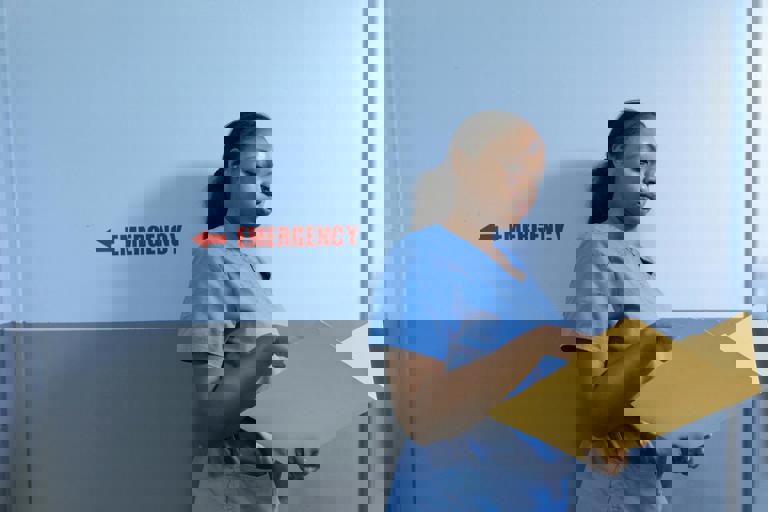
In a significant stride toward advancing local healthcare delivery, a major hospital has unveiled a cutting-edge triage system designed to dramatically shorten emergency wait times. Hospital administrators announced that the system, which incorporates both digital tools and revised workflows, is an integral part of their ongoing commitment to enhance patient care. This new approach aims to streamline patient processing from arrival to initial consultation, ultimately benefiting the entire community.
The initiative comes after months of research and consultation with medical staff, technology experts, and patient advocates. The hospital's chief executive, Dr. Emily Harper, explained that prolonged wait times have been a persistent challenge, particularly during peak hours. "Our goal has always been to ensure that every patient receives timely and appropriate care. This new system represents a major leap forward in how we manage emergency cases," she said.
At the center of the new system is an advanced digital platform that integrates patient information, symptoms, and history in real time. Upon arrival, patients are now greeted by trained triage nurses who input key information into tablets linked to the hospital’s central database. This data-driven approach allows medical staff to quickly identify urgent cases and prioritize resources more effectively, reducing the bottleneck often seen in busy emergency departments.
One of the crucial changes brought about by the new system is the categorization of patients based on risk rather than just time of arrival. Health administrators have implemented a colour-coded alert system, which assigns each patient a specific priority level according to their symptoms and vital signs. This ensures that those in critical condition are seen promptly, while stable patients receive regular updates about anticipated wait times and care availability.
Feedback from frontline healthcare workers has been overwhelmingly positive. Emergency nurse Catherine Lee remarked, “The system allows us to identify truly urgent cases faster than ever before. It’s also improved our communication with patients, who now feel more informed and less anxious during their wait.” Several staff members noted that having access to patient data at their fingertips has greatly accelerated initial assessments and treatment plans.
Early data following the implementation of the triage system has shown promising results. Hospital administrators reported that average wait times have dropped by nearly 30 percent in the first month alone. Patient satisfaction surveys indicate a marked improvement in the overall emergency room experience, with many respondents praising the efficiency and clarity of the new process.
In addition to faster service, the system features enhanced safety protocols. By tracking each patient's journey through the emergency department, the platform helps minimize errors such as misplaced records or missed follow-ups. Dr. Harper highlighted that, “Every second counts in emergency medicine. The fewer the delays, the better the outcomes. This system provides us with vital oversight to deliver safer care.”
The hospital's management also emphasized its hope that this new model could serve as an example for other institutions across the region. Plans are underway to share insights and best practices with neighboring health facilities. According to Dr. Harper, “We believe that collaboration and innovation are key to addressing broader challenges in the health system, particularly as local populations grow and demands increase.”
As the hospital continues to monitor and refine the new triage system, administrators are encouraging community members to provide feedback and remain engaged with upcoming developments. Ongoing training for staff and regular system evaluations are planned throughout the coming year. With this ambitious initiative, the hospital underscores its dedication to continuous improvement, ensuring residents have access to timely, safe, and high-quality emergency care well into the future.